How to Unblock a Downpipe from the Ground
A practical guide from Dave’s Gutters — no ladder needed for most jobs.
A blocked downpipe is one of the most common gutter problems. Water backs up, overflows, and can soak into your walls. The good news? You can often unblock a downpipe from the ground — safely, and without a ladder.
Here’s how to do it properly.
Why Downpipes Block Up
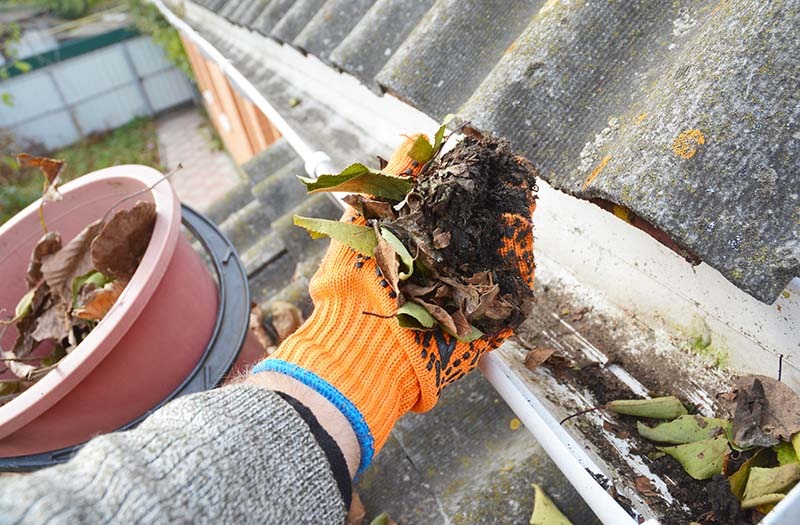
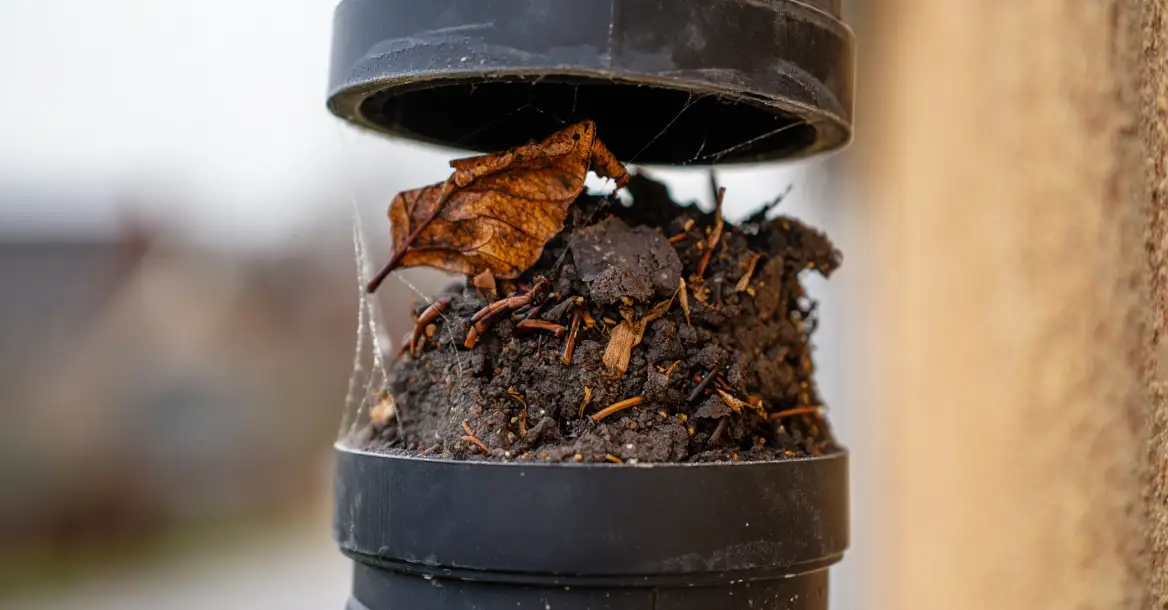
- Leaves and debris washed down from the gutter
- Moss and roof grit building up over time
- Bird nests or dead birds lodged inside the pipe
- Soil or silt from heavy rain
- Debris collecting in the bend when a downpipe is blocked at the bottom
What You’ll Need
Drain rods
At least 3–4 metres worth
Garden hose
With a strong jet nozzle
Rubber plunger
For drain-level blockages
Bucket & old cloth
To catch debris and water
Rubber gloves
Waterproof, long-cuffed
Torch or phone light
To see inside the pipe
Pour a bucket of water into the gutter. If it flows out the bottom of the downpipe, the gutter itself is blocked. If nothing comes through, you’ve got a blocked downpipe — keep reading.
Step by Step: Unblock a Downpipe from the Ground
Check the bottom of the downpipe
Look at the base of the pipe. Most downpipes end in a shoe or bend that leads to the drain. This is a common spot for blockages — debris collects in the curve. Clear any visible build-up with a gloved hand before doing anything else.
Flush with a hose first
Feed your hose up into the bottom of the downpipe and turn the water on full. Hold it firmly against the opening to build up pressure. This can shift loose blockages in 30–60 seconds — it’s the easiest way to unblock a downpipe and worth trying first.
Use drain rods for stubborn blockages
Screw two or three rods together. Feed them up through the bottom of the pipe, rotating clockwise as you push. Keep turning — this stops the rod unscrewing inside the pipe. Work the blockage loose, then flush again with the hose.
Use the access panel (if your pipe has one)
Some older downpipes have a small rectangular access plate about a metre up the wall. Open it with a screwdriver. You can insert rods at a better angle here, which helps with mid-pipe blockages that are hard to reach from the bottom.
Plunge from the drain below
If water is sitting at the base, use a rubber plunger directly over the drain opening. Firm, steady pushes work better than fast, frantic ones. This works well when the downpipe is blocked at the bottom and debris has settled in the underground drain.
Clear and flush the full run
Once the blockage shifts, flush with the hose for a full minute or two. Check the drain at the bottom is flowing freely. Remove your rods by rotating clockwise as you pull them out — never yank them straight back.
Test the whole gutter
Pour a full bucket of water into the gutter at the far end from the downpipe. Watch it travel along and flow down without overflowing. If it drains cleanly, the job’s done.
Always rotate drain rods clockwise only. Going anti-clockwise will unscrew the joints inside the pipe — and getting a rod stuck in there is a much bigger problem than the original blockage.
How to Stop It Happening Again
- Fit gutter guards or mesh — they catch leaves before they reach the downpipe
- Flush your gutters with a hose twice a year — spring and autumn are ideal
- Check after storms — heavy rain brings down a lot of debris at once
- Don’t ignore slow-draining water — a partial blockage is far easier to clear than a full one
Most blocked downpipes respond well to the steps above. If you’ve worked through them and the pipe is still blocked — or the blockage keeps coming back — it may point to a bigger issue underground or a damaged section of pipe. Dave’s Gutters offers a straightforward inspection and clear service if you’d rather have it sorted quickly and properly.